Massage Therapy & Mental Health
A Mind and Body Connection
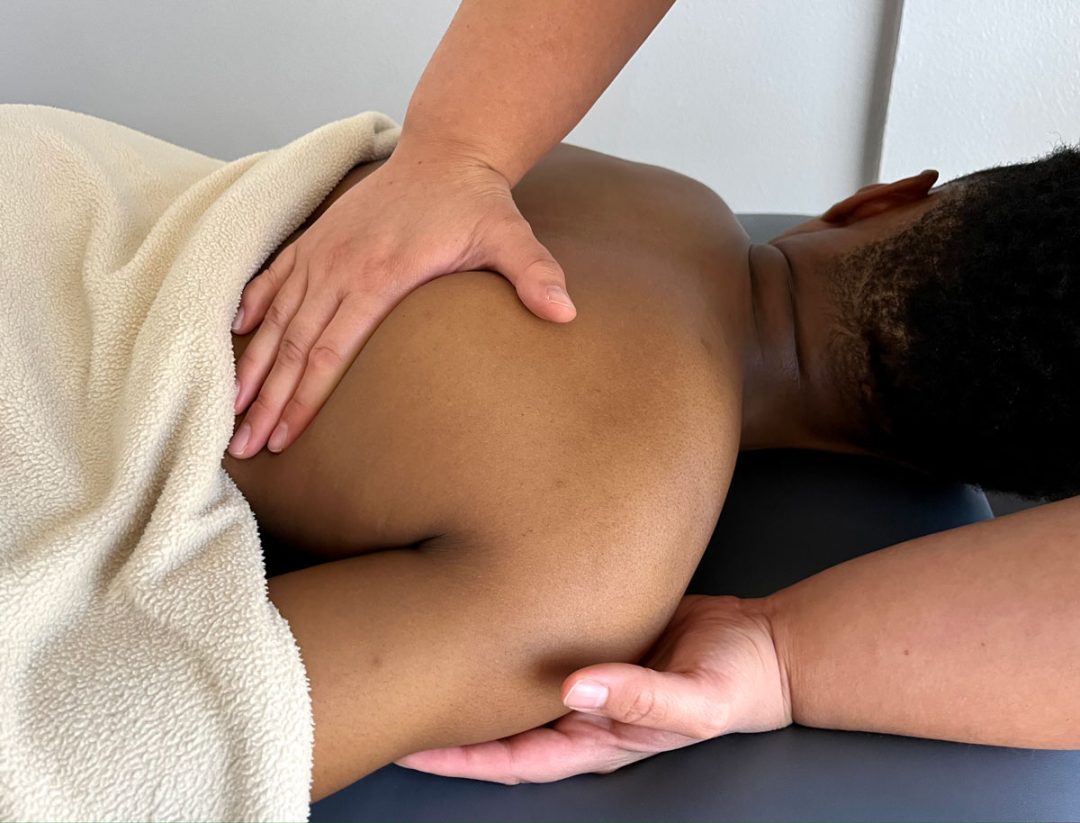
When most people think of massage therapy, the first thing they think of is relief from sore muscles or physical pain. While that is true, massage is much more than just a way to loosen tight shoulders or ease tension in your back. Massage therapy is also a powerful tool for mental and emotional wellness. In today’s fast-paced world, stress, anxiety, and burnout have become a normal part of life for many people. Taking time to pause, breathe, and reconnect with your body is more important than ever, and that’s exactly where massage can help!
How Massage Supports Mental Health
· Reduces Stress Levels: Massage therapy lowers cortisol, the body’s primary stress hormone. High cortisol is linked to fatigue, anxiety, and difficulty sleeping. With massage, your body naturally shifts into the “rest and digest” mode, leaving you calmer and more relaxed.
· Boosts Mood and Emotional Balance: During massage, the body releases serotonin and dopamine. These are the “feel good” endorphins! These chemicals elevate your mood and help fight symptoms of anxiety and depression. This natural shift in your body’s chemicals can leave patients feeling lighter, happier and more emotionally balanced.
· Improves Sleep Quality: Mental health and sleep are deeply connected. Poor sleep can worsen stress and anxiety, while good sleep supports emotional regulation and good energy levels. Massage encourages deep relaxation, making it easier to fall asleep and stay asleep.
· Encourages Mindfulness: Massage creates a safe space to slow down and be in the present moment. The rhythmic touch, quiet environment, and focus on breath can feel similar to meditation. This helps patients to reconnect with their bodies and calm the mind.
· Eases Physical Symptoms of Stress and Anxiety: Mental health challenges often show up in the body. Tight shoulders, headaches, jaw tension or even digestive discomfort can be caused by stress. Massage can help release these physical symptoms, which in turn supports mental and emotional well-being.
Who Can Benefit from Massage for Mental Health?
· People with high-stress jobs who need a break from constant physical or mental demands
· Students balancing school, work, and social time
· Caregivers and parents managing the needs of others while often neglecting their own self-care.
· Anyone dealing with anxiety, depression, or burnout looking for a natural ways to feel better
The Takeaway
Massage therapy isn’t just a luxury, it’s a form of self-care that refreshes both the body and the mind. By reducing stress, balancing mood, improving sleep, and encouraging mindfulness, massage can be an important part of a holistic approach to mental health. Whether you’re seeking relief from daily stress or support for deeper emotional challenges, regular massage sessions can provide a grounding, healing space for your overall well-being.